Transport at controlled ambient temperature between +18°C and +25°C : a logistical challenge for medical devices

The thermal challenge +18°C to +25°C at the heart of medical logistics

In the field of the transport of medical devices of in vitro diagnostics (IVD), some entities face a particular challenge: maintaining a strictly controlled temperature between 18°C and 25°C, regardless of the season. In both winter and summer, this requirement for thermal stability is crucial to ensure the reliability of diagnostic results. This level of precision requires rigorous temperature control.

Passive cooling : an economical alternative to refrigerated trucks for transport between +18° and +25°C

To meet this requirement, an electrical or mechanical solution might have seemed obvious.

Using a refrigerated truck calibrated between 18°C and 25°C can become a heavy and expensive solution, especially when only a fraction of the merchandise needs this thermal precision.

Between the initial investment, energy consumption, and lost space, this logistics is often disproportionate to the real need

In this context, the choice of passive refrigeration is essential as a flexible, economical and efficient alternative, particularly suitable for short-term delivery circuits, between 3 and 5 hours maximum, where thermal rigor remains paramount without requiring the infrastructure of a mechanical refrigeration unit.

Isothermal transport 18-25°C : how PCM+18 plates ensure a stable temperature in both summer and winter

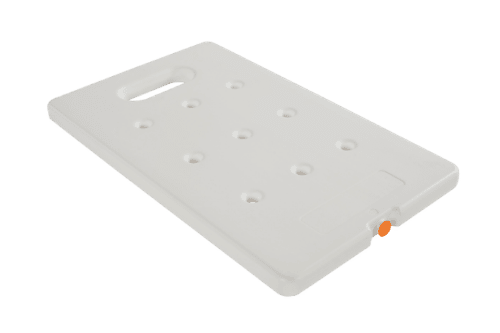
This conservation method is based on the use of eutectic plates PCM+18, packaged according to two specific protocols : one for winter and one for summer. This rigor in the preparation allows to precisely control the holding temperature, depending on the outdoor temperature and the transport time. COLD & CO explains to you !

How do PCM+18 eutectic plates work ?

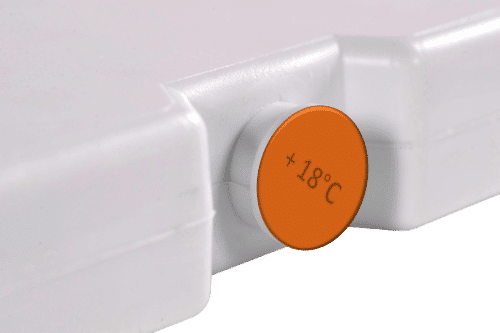
The operation of PCM+18 eutectic plates is based on a simple but extremely efficient physical principle: the change of state at a precise temperature, here +18°C. It is this ability to absorb or release thermal energy during their fusion or solidification that allows maintaining a stable ambient temperature, between 18°C and 25°C.

Their preparation varies according to the season :

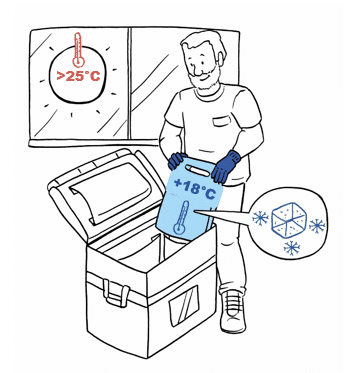
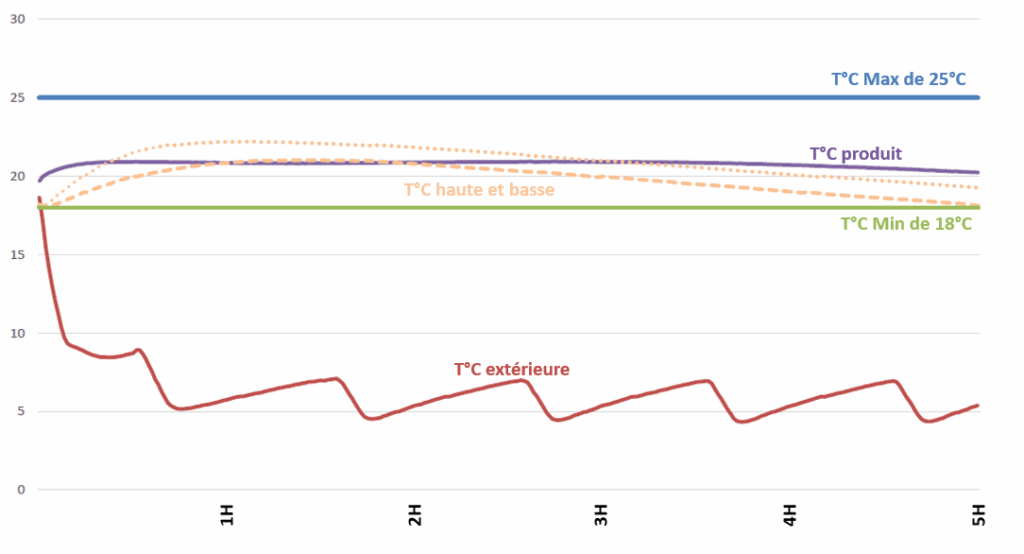
When the outside temperature exceeds 25°C, the plates must be cold-conditioned.

They are first placed in the refrigerator at 4°C until complete solidification (between 24 and 48 hours depending on the total mass).

They are then stabilized at 18°C for about 30 minutes in an oven to avoid a peak cold during their insertion into the insulated container.

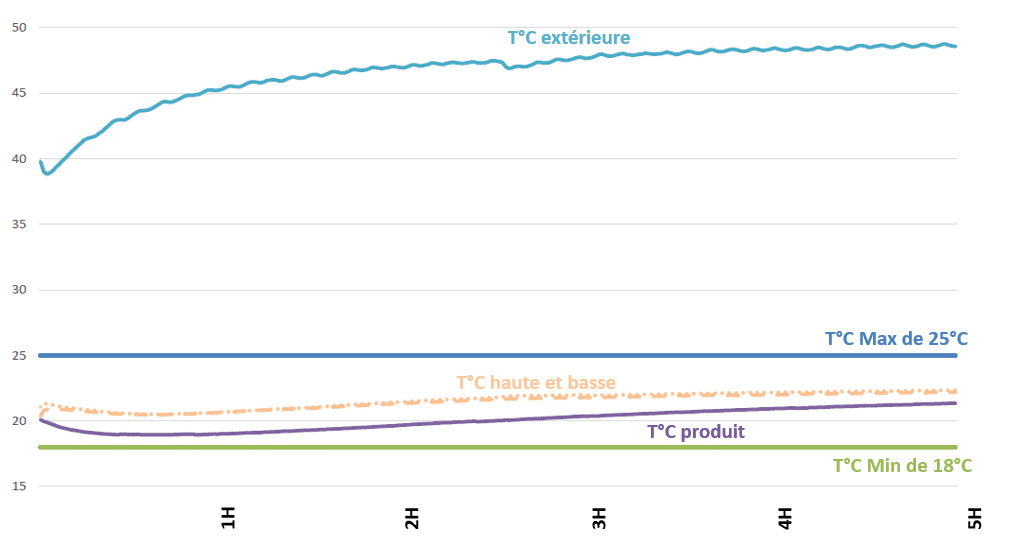
Solid at the start, they gradually melt during transport, absorbing excess heat and ensuring an internal temperature below 25°C.

Thermal performance under outdoor temperature greater than 25°C

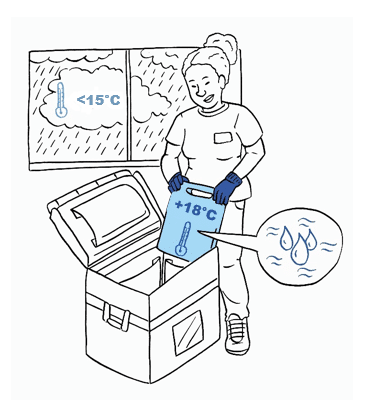
When the outside temperature drops below +18°C, the protocol is reversed. The plates are hot-conditioned, maintained at 30°C for about 8 hours in an oven until complete liquefaction. In this liquid state, they will solidify during transport, capturing excess cold, thus avoiding a drop below the target temperature.

Thermal performance under outdoor temperature below 18°C

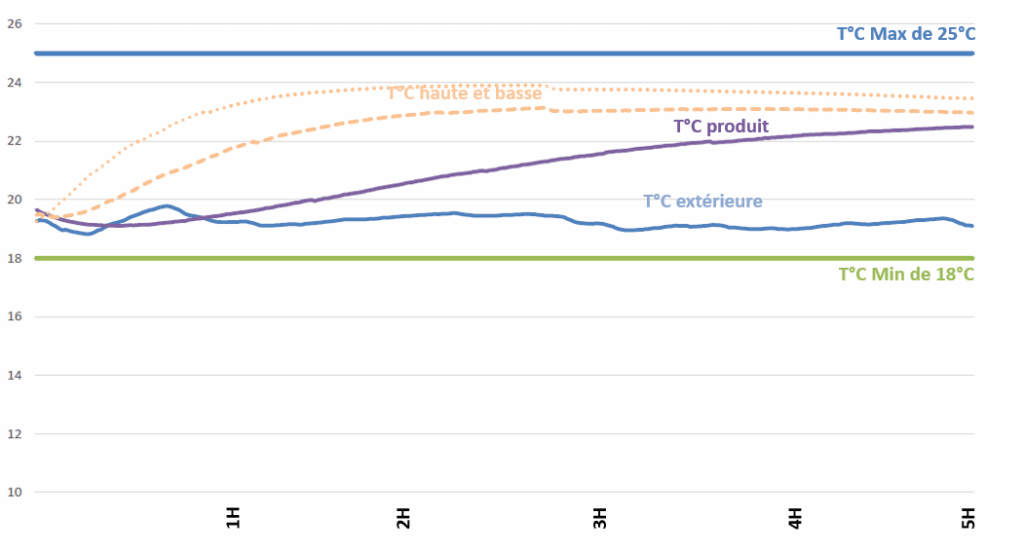
And when the outside temperature is already between +18°C and +25°C? Regardless of the protocol used, PCM+18 plates, whether solid or liquid, will effectively contribute to stabilizing the temperature between +18°C and +25°C. Their ability to react to even minimal deviations ensures a faithful atmosphere in the required range, without overheating or excessive cooling.

Thermal performance under an outdoor temperature between 18°C and 25°C

With a change of state point at +18°C, ambient eutectic plates will melt or solidify depending on the outside temperature, thus absorbing excess heat or cold. This simple and natural mechanism allows to maintain a stable ambient temperature, perfectly adapted to thermosensitive products and medical devices.

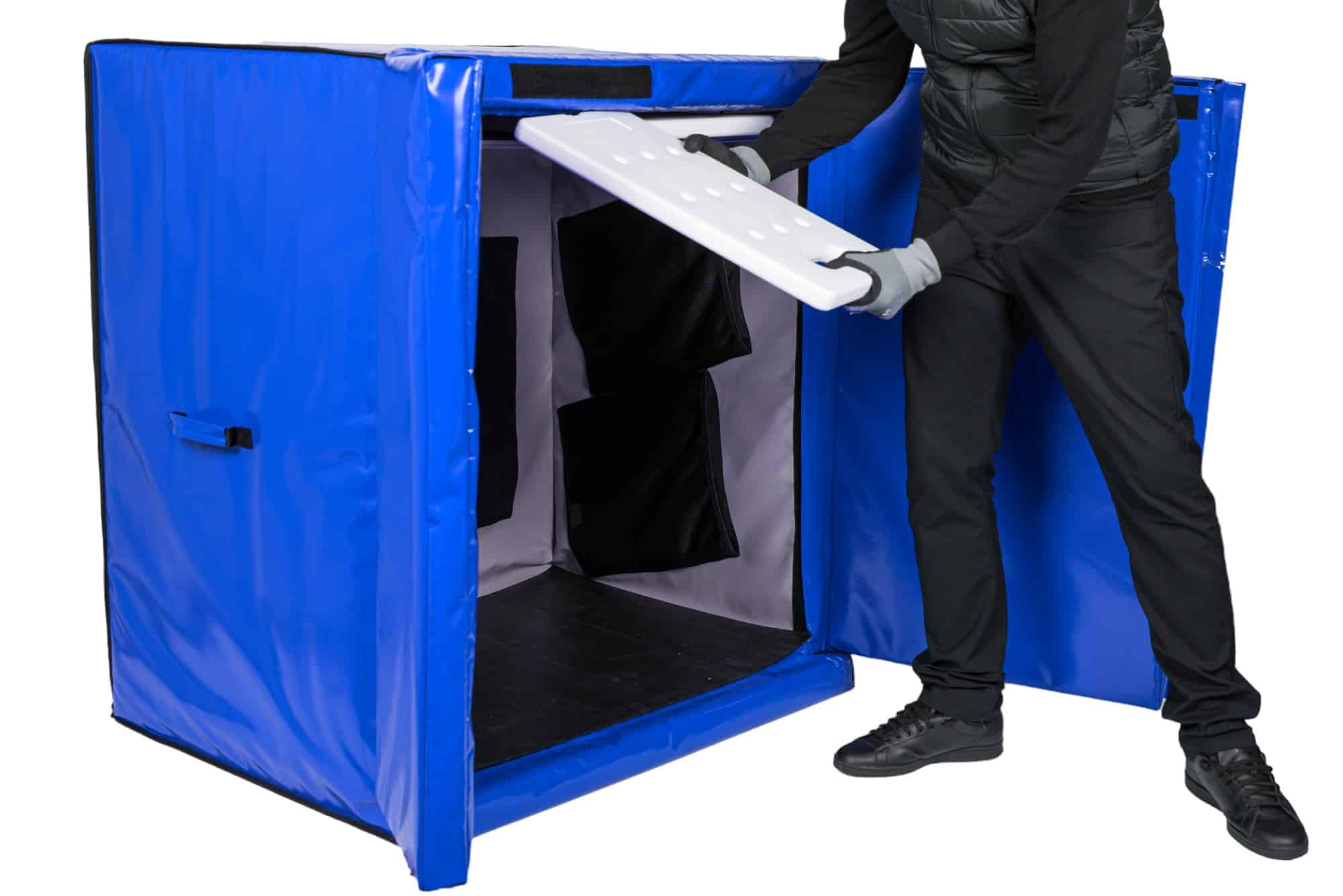
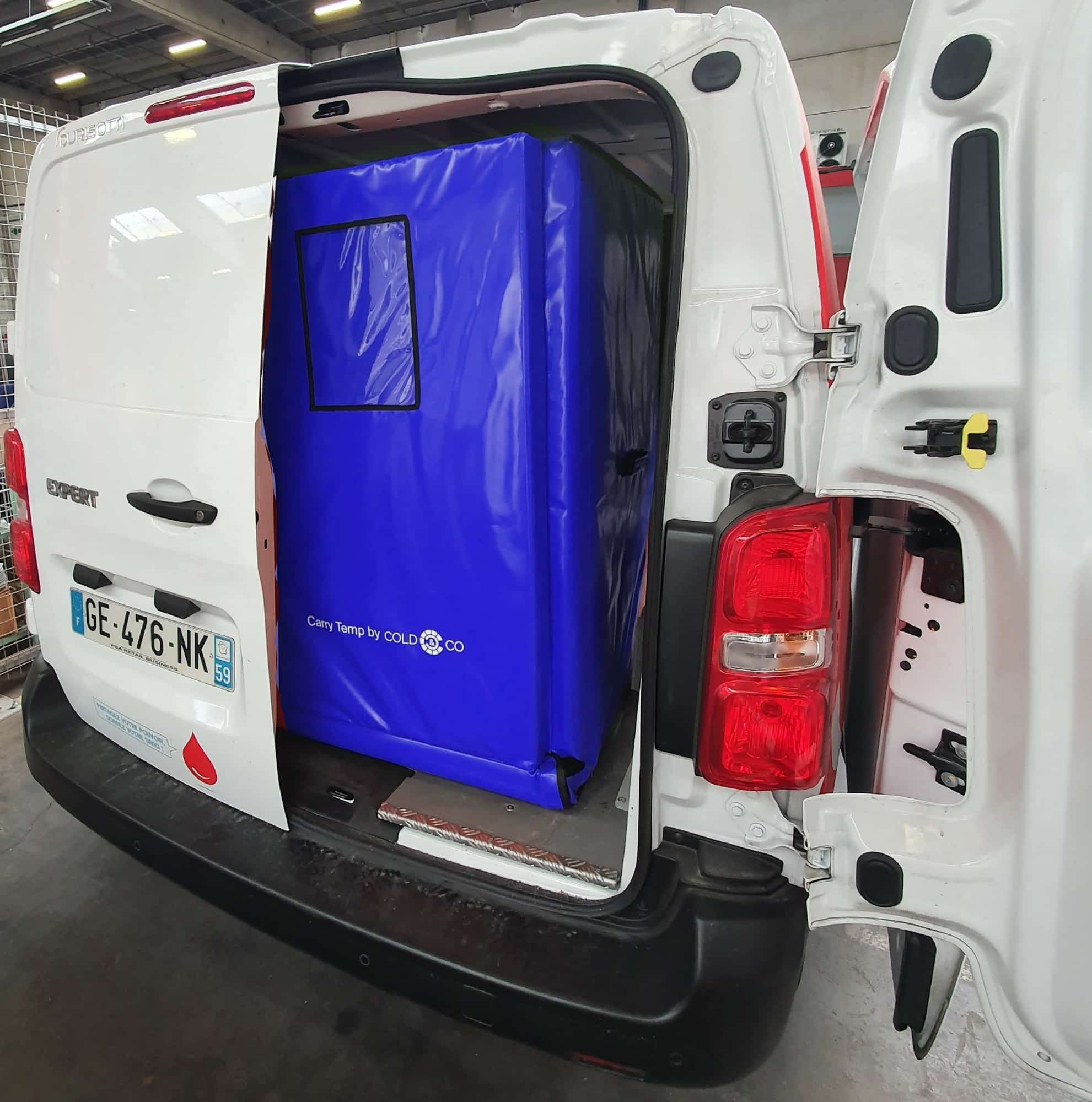
The isothermal container CarryTemp XL6 from COLD & CO coupled with eutectic plates +18°C for the transport of medical devices between 18°C and 25°C.

It is in this context that the CarryTemp XL6 solution from COLD & CO has established itself. This self-contained isothermal cabinet, with a useful volume of 600L, offers reliable temperature maintenance without electricity. Equipped with highly insulating polyurethane panels and a thermal diffusion system by natural convection, it keeps products at room temperature thanks to eutectic plates +18°C.

The ergonomics of the CarryTemp XL6 make it easy to integrate into a fleet of standard vehicles. Compatible with the most common vans, it allows you to temporarily transform a utility vehicle into a real insulated vehicle.

An agile and efficient response for the transport of medical devices between 18°C and 25°C :

Thanks to its low weight (30 kg empty), its robustness, its easy maintenance and its ATP certified thermal performance, the CarryTemp XL6 represents a strategic alternative to traditional refrigerated transport solutions. Its use demonstrates that, even on complex requirements such as maintaining between 18°C and 25°C, passive cooling can be both precise, reliable, and respectful of the logistical constraints of the terrain.

Any questions ?

By submitting this form, you authorize this website to store the information submitted in order to respond to you.

Urban cold logistics during the Paris 2024 Olympic and Paralympic Games

During the 2024 Olympic and Paralympic Games, Paris will see its urban logistics transformed. The refrigeration logistics sector will have to continue to ensure food distribution for the people of the Paris region, while managing the logistics of supplying the Games in a context of traffic restrictions and changes. The « last mile of cold » (the […]

Urban cold logistics during the Paris 2024 Olympic and Paralympic Games Lire la suite »

chambre froide mobile XXL caisse croco

COLD & CO brings FLEXIBILITY – COLDNEWS

 In the air of time, the custom-made isothermal container CarryTemp XL6 of COLD & CO offers a capacity of 6 crocodile boxes, and answers the needs of logisticians.  The CarryTemp XL6 model allows for temperature-controlled transport, up to tri-temperature, without affecting the integrity of the standard utility vehicle. The enclosure is equipped with a self-contained passive cooling system

COLD & CO brings FLEXIBILITY – COLDNEWS Lire la suite »

Retailers are optimizing their cold chain and reducing their logistical and energy impact by replacing traditional PPE crates with Freeze/Fresh Conveyor Boxes.

1. The context: a growing need for thermal efficiency and performance Faced with rapidly changing expectations in terms of food delivery, particularly in urban areas and without refrigerated vehicles, a major European retailer turned to COLD & CO with a dual objective: guarantee a flawless cold chain, reduce logistics and energy costs. Until now, the
Retailers are optimizing their cold chain and reducing their logistical and energy impact by replacing traditional PPE crates with Freeze/Fresh Conveyor Boxes. Lire la suite »

Cyclo-logistics and soft delivery modes: what solutions to deliver fresh products?

The COVID-19 event accelerated a changing logistics: home delivery. The energy transition had already pushed the development of soft deliveries with 3 objectives: Decongestion of the city centre; Reduction of noise pollution; Reduction of gases, pollutants and particulates related to fuel consumption. In the case of food e-commerce, an additional dimension is added: cold chain

Cyclo-logistics and soft delivery modes: what solutions to deliver fresh products? Lire la suite »

A messenger RNA vaccine against COVID 19, what impact on the cold chain?

Since November 9, several laboratories have announced the development of a vaccine that is more than 90% effective. Pfizer-BioNtech laboratories present their first results obtained on a messenger RNA (mRNA) vaccine. What is the principle of this vaccine? What impact on its cold chain ? Historical vaccines with infectious agents Historically, the first vaccines were

A messenger RNA vaccine against COVID 19, what impact on the cold chain? Lire la suite »

La Poste decarbonizes its urban logistics 

During the SITL 2023 (International Transport and Logistics Week), La Poste, through the voice of its director of urban logistics (La Poste Courrier et Colis) Jean-Louis Carrasco, explained its plan to completely decarbonize its urban logistics by 2050. La Poste, which is the national postal service of France, is indeed seeking to reduce its carbon

La Poste decarbonizes its urban logistics  Lire la suite »

Between performance and environment: How to face the new challenges of e-commerce?  

In 2023, e-commerce has become an essential part of many consumers’ daily lives. Unfortunately, they are often poorly informed about the impact of online orders and, by extension, the impact of logistics. During SITL 2023, Marc Cottignies, expert engineer at ADEME, Sandrine Neveu, deputy CSR director of the Mail and Parcels Service Branch at La

Between performance and environment: How to face the new challenges of e-commerce?   Lire la suite »